
Anxiety, tension, and stress
Some people find a quiet acupuncture session relaxing. Evidence is not conclusive, so care is framed around easing tension and supporting coping rather than treating an anxiety disorder.
Mind & Emotions
Lifestyle, environment, trauma, physical health, relationships, and many other factors can affect emotional well-being. Acupuncture may help address the body’s response to ongoing stress and tension, supporting greater balance and emotional well-being alongside therapy, medication, or other professional care when appropriate.
Anxiety, depression, trauma-related symptoms, insomnia, grief, irritability, and ongoing stress can affect the body as well as the mind. These experiences deserve compassionate, individualized care — not judgment or blame.
Acupuncture can be a valuable complementary approach for supporting mental and emotional well-being. By helping calm the nervous system, reduce physical tension and stress, promote relaxation, and support healthier sleep, acupuncture may help people feel more grounded, rested, and better able to cope with everyday emotional challenges. Research has also shown promising findings for acupuncture in areas such as anxiety and depression, although results can vary from person to person.
Acupuncture works best as part of a personalized approach to well-being. When appropriate, it can be combined with therapy, medication, or other professional care to provide additional support for the mind and body.
A visit can make space for your comfort goals while keeping diagnosis and treatment with qualified mental-health professionals.
Some people find a quiet acupuncture session relaxing. Evidence is not conclusive, so care is framed around easing tension and supporting coping rather than treating an anxiety disorder.
Stress and poor sleep often reinforce each other. Gentle care may support a bedtime routine or sense of calm while medical causes of fatigue or insomnia are evaluated.
These concerns call for compassion and appropriate mental-health support. Acupuncture can only be an adjunct when your treating clinician agrees it fits your broader plan.
Confusion, delusions, mania, dementia symptoms, or a major personality change can have urgent psychiatric, neurologic, medication-related, or medical causes and need professional assessment.
Traditional Chinese medicine may describe emotional patterns through concepts such as qi, the five elements, and relationships among organ systems. Some people also hold spiritual beliefs that help them make meaning of difficult experiences.
The clinic does not present karma, past lives, DNA, or an “inner consciousness” as proven causes of mental illness. Care should never blame a person for depression, trauma, suicidal thoughts, or another health condition.
Tell the practitioner about current therapy, psychiatric diagnoses, medicines, substance use, sleep changes, and any recent crisis. Continue prescribed treatment unless the clinician managing it changes the plan.
Acupuncture appointments are not crisis services. Immediate support is available in the United States.
Call or text 988, or call 911 for immediate danger, if there is
The 988 Suicide & Crisis Lifeline provides free, confidential support by call or text in the United States. In a life-threatening situation, call 911 or go to the nearest emergency department.
Calm, comfort, and coordination
A predictable, quiet session may give some people a short period of rest and reduced physical tension. Experiences vary, and the goal is supportive rather than curative.
When insomnia is part of the picture, care can focus on relaxation while your clinician evaluates persistent sleep loss, breathing problems, medication effects, or mood symptoms.
Psychotherapy, psychiatric care, primary care, crisis support, and prescribed medication remain central when indicated. The clinic can work around that plan, not replace it.
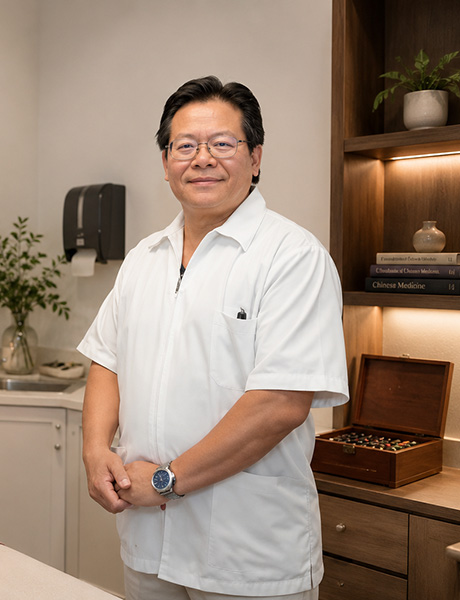
Dr. Tsai is a licensed Doctor of Oriental Medicine who reviews your health history, medications, current medical care, goals, and comfort before recommending acupuncture or another clinic service.
For a diagnosed condition, your physician or specialist remains responsible for diagnosis and treatment. Care here is complementary and should never delay testing, medication, therapy, surgery, or emergency care.
No cure should be promised. Evidence is limited, and acupuncture is best considered optional complementary support alongside appropriate mental-health care.
No. Continue treatment and medication unless the licensed clinician managing it tells you to change the plan.
The clinic does not provide trauma therapy. Gentle sessions may support relaxation for some people, while trauma-focused care stays with a qualified mental-health professional.
Call or text 988 in the United States for immediate crisis support. If there is immediate danger, call 911 or go to the nearest emergency department.
That is not a medical explanation and should never be used to blame someone. Mental-health symptoms can involve biological, psychological, social, environmental, and medical factors.
If you are safe, connected with the professional care you need, and interested in a calming complementary visit for stress, tension, or sleep, Healing Point Wellness Clinic can discuss an appropriate next step.